

Mortise, Tenon, and Dovetail: Why Joinery Defines Real Solid Wood Quality
Posted by Solid Wood Superstore on 2nd Jan 2026
Before choosing a new furniture piece, many buyers focus on style, stain, or hardware. Solid Wood Superstore emphasizes how the joinery inside each piece reveals far more about long term strength, stability, and craftsmanship than any finish or design detail ever could. Understanding how joints are shaped, fitted, and reinforced gives you a clear picture of the construction quality beneath the surface.
This article breaks down the most trusted joinery methods found in real solid wood furniture and explains how each contributes to durability. With this knowledge, you will be able to evaluate furniture more confidently and understand why some pieces last for generations.
What Joinery Reveals About Solid Wood Quality
Joinery is the method used to connect two pieces of wood in a way that supports load, manages wood movement, and preserves alignment over decades of use. When joints are cut accurately and fitted tightly, the furniture stays stable, resists racking, and handles stress better than mass produced fasteners or brackets.
Mortise and Tenon: The Foundation of Strong Wood Construction
How Mortise and Tenon Works
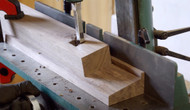
A mortise and tenon joint uses a cavity cut into one board and a matching tongue cut into another. When the pieces slide together, the long grain contact distributes load and prevents twisting.
Why This Joint Offers Exceptional Strength
Mortise and tenon joints rely on long grain bonding, which provides significantly higher strength than end grain contact. When paired with quality glue, the joint becomes one of the most dependable structural choices in solid wood furniture.
Where Mortise and Tenon Is Used in Furniture Frames
You will see this joint used in table bases, chairs, bed frames, and cabinet doors because it keeps frames aligned even after years of pressure and movement.
Mortise and Tenon Variations
Furniture makers often adjust mortise and tenon joints based on the stress a piece will experience. A through tenon passes completely through the adjoining board and provides maximum mechanical strength for load bearing frames. A haunched tenon includes a trimmed shoulder that prevents twisting in long rails and keeps wide doors from bowing. Stub tenons are shorter versions used for lighter components where full depth is unnecessary. These variations show how skilled joiners tailor the joint to the demands of the furniture.
Dovetail Joinery: Precision, Grip, and Mechanical Strength
Interlocking Tails and Pins
Dovetail joints rely on angled pins and tails that lock together naturally. Their shape resists pulling forces without relying on hardware.
Why Dovetails Resist Pulling and Separating
When a drawer is opened, the force pushes the tails and pins tighter together. This self tightening effect is why dovetail drawers stay square and strong over time.
What High Quality Hand Crafted Dovetails Look Like
Clean angles, tight seams, consistent spacing, and proportional shapes are signs of skilled work. Machine cut dovetails are uniform but still require accuracy to avoid gaps.
Dovetail Types and Their Uses
There are several types of dovetail joints, each chosen for a specific purpose. Half blind dovetails hide the joint from the front of a drawer while maintaining strength at the sides. Through dovetails expose the joint completely and are often used in traditional or decorative furniture that highlights craftsmanship. Sliding dovetails use a channel and tapered tail to create a joint that locks in place along the length of a board. These variations influence how drawers perform and how the furniture resists daily wear.
Finger Joints and Modern Glue Bonding
How Finger Joints Increase Bonding Surface Area
Finger joints use interlocking rectangular segments that create a large bonding surface. This distribution of stress supports stability for non structural components.
When Finger Joints Are Appropriate in Furniture Making
They are often used in drawer sides, panels, and modern cabinetry where movement control matters more than heavy load bearing strength.
How Glue Quality Influences Long Term Durability
Strong adhesives must penetrate wood fibers and create a consistent bond. Weak glue lines or uneven fingers can compromise the joint.
How to Identify Good Joinery in Solid Wood Furniture
Fit, Finish, and Tight Tolerances
High quality joinery shows flush surfaces, clean seams, and no visible gaps.
Grain Alignment and Seam Consistency
Aligned grain improves visual flow and strengthens the joint.
Signs of Skilled Hand Crafted Work
Proportional spacing, crisp edges, and clean chiseling reflect craftsmanship.
Understanding Joinery Tolerances
Precise tolerances are a major factor in joinery strength. Tolerances refer to how closely two parts fit together without gaps or excessive force. A well cut joint fits snugly while still allowing enough room for glue to bond the surfaces evenly. If the joint is too tight, stress can build and cause cracking over time. If it is too loose, the glue line becomes thick and weak. Balanced tolerances demonstrate attention to detail and create stronger long term performance.
Drawer Bottom Construction as a Quality Signal
Another indicator of construction quality is how the drawer bottom is installed. High quality drawers use a floating bottom panel that slides into grooves on the drawer sides. This design allows seasonal wood movement without stressing the joints. Lower grade drawers often staple or glue a thin panel directly to the bottom edge, which can loosen, sag, or detach under weight. The construction of the bottom panel often reveals more about durability than the drawer front alone.
Why Quality Joinery Sets Solid Wood Superstore Furniture Apart
If you want to compare real furniture examples and see traditional joinery methods in person, you can explore pieces at Solid Wood Superstore, where structural integrity and authentic construction methods are a core part of every design.
Solid wood furniture built with real joinery offers stability that mass produced fasteners cannot match. Once you know how to evaluate joints, you will quickly see which pieces are built for long term performance and which are not.
For help choosing a specific piece or understanding how it is constructed, you can contact the team for guidance.