

How to Fix Scratches, Dents, and Water Rings on Solid Wood
Posted by Solid Wood Superstore on 3rd Feb 2026
Solid wood furniture shows wear differently than manufactured materials. Scratches catch the light, dents interrupt smooth surfaces, and moisture leaves visible marks that can make even well cared for pieces look damaged. The key to fixing these issues is understanding whether the damage is surface level or structural before taking action.
In conversations with homeowners and builders, Solid Wood Superstore often sees frustration caused by using the wrong repair method too early. A light scratch treated too aggressively can become permanent damage, while deeper issues ignored too long become harder to fix. Matching the repair approach to the type of damage makes all the difference.
Understanding the Type of Damage
Before attempting any repair, the surface should be cleaned so the damage is clearly visible. Most issues fall into two categories.
Surface damage affects only the finish. These marks change appearance but do not alter the wood itself. Structural damage reaches into the wood fibers and requires more involved repair methods.
Identifying which category the damage falls into determines whether simple touch ups will work or if sanding and refinishing are necessary.
Fixing Light Scratches in the Finish
Light scratches that do not penetrate the wood can often be minimized without sanding. Furniture oils and waxes help blend shallow scratches by evening out sheen and color. Touch up markers matched to the wood tone can also reduce visibility when applied lightly and blended carefully.
These solutions work best when the scratch is only visible at certain angles and the finish remains intact.
Repairing Deeper Scratches
Scratches that cut into the wood itself require more preparation. Wood filler matched to the species and finish can be pressed into the scratch, allowed to dry, and lightly sanded flush with the surrounding surface. Once level, the area can be sealed and refinished to blend with the original finish.
This method is effective for isolated damage but requires patience and controlled sanding to avoid creating a noticeable repair spot.
Removing Dents with Heat and Moisture
Dents occur when wood fibers are compressed rather than cut. Applying moisture followed by gentle heat allows the fibers to swell back toward their original shape. A damp cloth placed over the dent and warmed carefully can raise shallow dents successfully, particularly on unfinished or lightly finished surfaces.
Dents caused by sharp impacts or broken fibers may not fully lift and often require filling and refinishing instead.
Treating Water Rings and Moisture Marks
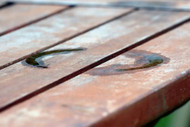
Water rings form when moisture becomes trapped in the finish layer. White rings usually indicate surface moisture and are easier to address. Gentle heat or polishing methods often restore clarity. Dark rings suggest deeper moisture penetration and may require sanding and refinishing to fully remove.
Prompt treatment improves results. The longer moisture remains trapped, the more difficult the repair becomes.
Sanding and Refinishing When Needed
When damage covers a larger area or penetrates deeply, sanding and refinishing may be the most effective solution.
Using the correct sanding grits in sequence prevents visible scratch patterns and uneven surfaces. After sanding, applying a compatible finish restores protection and appearance.
Care should be taken with thin surfaces or veneered pieces, where over sanding can permanently damage the structure.
When DIY Repairs Are Appropriate
DIY repairs work best when:
- Damage is limited in size
- The finish type is known
- Color matching is manageable
- Structural integrity is unaffected
Homeowners sourcing compatible materials often start by reviewing solid wood care products and finishing supplies available through solid wood furniture suppliers to ensure the repair matches the original surface.
When Professional Repair Is the Better Choice
Professional repair is usually the safer option when:
- Damage spans large surfaces
- Cracks affect structural stability
- Matching the original finish is difficult
- The piece has high financial or sentimental value
In these situations, incorrect repairs can make damage more noticeable and harder to correct later.
For guidance on repair methods, finish compatibility, or restoration options, submitting a wood repair consultation request helps determine whether a DIY fix or professional service is the better path.
Protecting Solid Wood Moving Forward
Preventing damage is often easier than repairing it. Using coasters, maintaining stable indoor humidity, avoiding sharp impacts, and refreshing protective finishes all help extend the life of solid wood furniture. Wear is inevitable, but informed maintenance keeps surfaces looking intentional rather than neglected.
Solid wood responds well to care when issues are addressed early and repairs are matched to the type of damage rather than applied generically.